
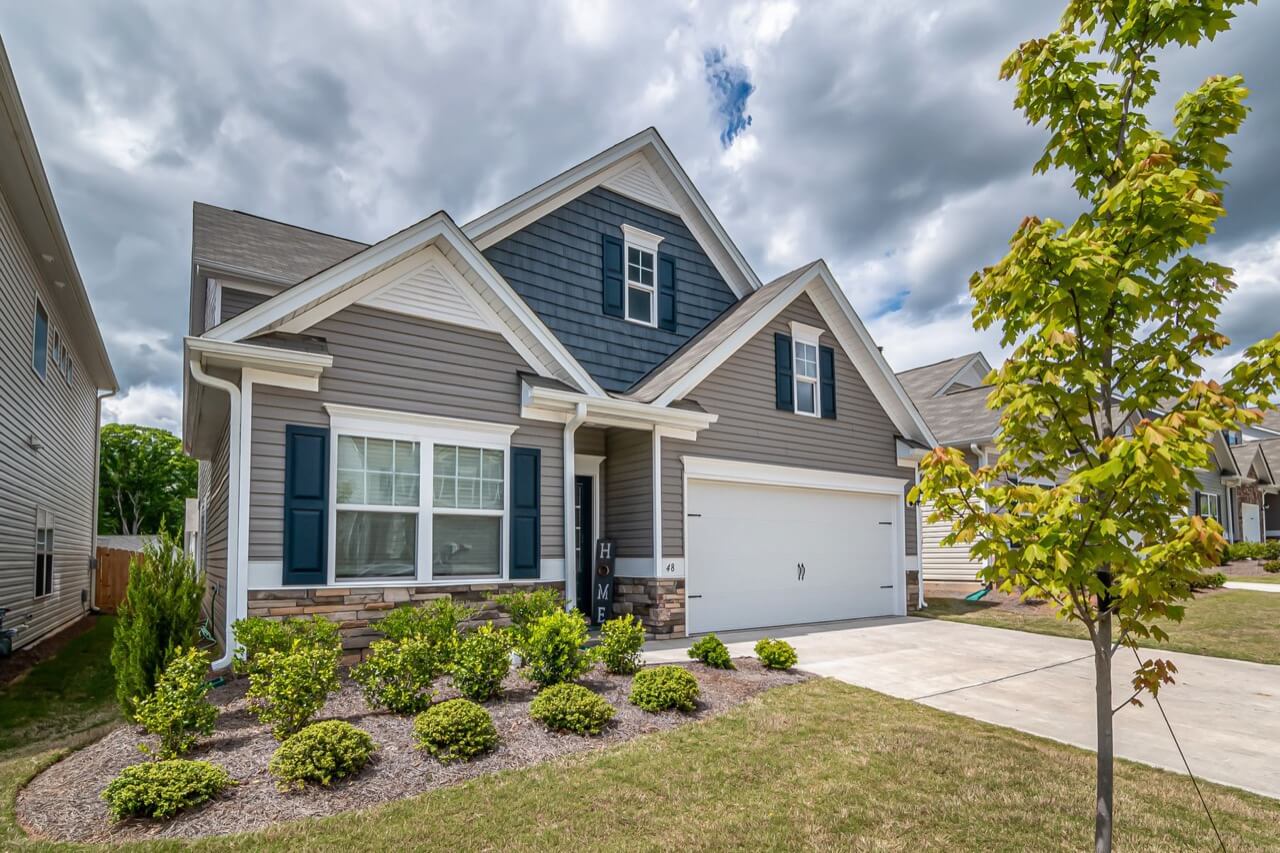
A Laguna Niguel business owner preparing to buy
A Laguna Niguel consultant with a steady business is ready to buy, but business revenue and personal income appear differently across financial records. I start by clarifying those records, not by assuming revenue itself counts as qualifying income.
What a self-employed mortgage is
My advice: treat a self-employed mortgage as a loan qualification process for borrowers whose income comes partly or entirely from business activity, evaluated using documentation permitted by the loan program. In Laguna Niguel, the appropriate documentation depends on the borrower, property, and loan path; the company’s program page explains available options in detail.
Questions about your situation?
Talk it through with a loan officer who knows this market. No forms and no pressure.
Who this approach may fit in Laguna Niguel
A common challenge: tax deductions can make taxable income look different from business revenue or available cash flow, while overlapping personal and business finances can complicate records. I tell clients to get a clear document list and understand their loan path before relying on assumptions about what an underwriter will count. For a Laguna Niguel purchase, a coherent financial picture helps you assess a specific home and its costs. Qualification is subject to credit approval and program guidelines.
Step 1: Separate the business and personal financial picture
A common mistake is treating gross business revenue as personal qualifying income. I tell clients to identify which accounts and records reflect business activity, personal income, transfers, and owner compensation before assembling a file. Depending on the circumstances and loan program, relevant materials may include:
- Personal and business account statements for the requested periods.
- Tax returns or other income records requested for the selected loan path.
- Business records that help explain ownership, revenue, expenses, or changes in operations.
- Records of transfers between accounts and documentation of owner compensation, where applicable.
These are examples, not a universal checklist. Business assets are not automatically available for personal use or counted as personal qualifying income; document their source, ownership, and intended use under applicable guidelines.
Step 2: Assemble records that tell a consistent story
What I’d do: organize requested tax, income, account, and business records by source and period, then flag unusual transfers or changes for explanation. A consistent file helps an underwriter understand the business without guessing what a deposit represents. I confirm the current document list for the borrower’s circumstances rather than treating an online checklist as final.
My recommendation is to keep a simple index showing each document’s name, related account or business, and covered period. Separate business records from personal records while retaining context for transfers between them. If an account includes both types of activity, identify that early and ask what supporting detail is needed.
Step 3: Review how the income may be evaluated
A common mistake is assuming business deposits, gross revenue, or cash reserves will count in full as qualifying income. I recommend discussing the income calculation with your loan officer before relying on a projected home budget. Ask which records support the calculation, whether changes in business operations need explanation, and which assumptions remain unverified. Qualification is subject to credit approval and program guidelines.
Step 4: Connect the file to a specific Laguna Niguel home
What I’d check: the verified purchase price, property-specific taxes, estimated closing costs, and any assistance the buyer may be eligible to use. I use local figures for context, not as a quote for a particular home. Zillow Research reported a home value of $1,482,575 in Laguna Niguel in October 2026; the Census ACS 5-Year reported median property taxes of $6,096 in Orange County in 2023. Neither figure determines an individual home’s price or tax bill.
For a one-unit property, the 2026 conforming loan limit in Orange County is $1,249,125, according to FHFA Conforming Loan Limits, 2026. The loan amount—not simply the purchase price—is the relevant comparison. The FHA limit for a one-unit property is also $1,249,125, according to HUD CHUMS FHA Forward Mortgage Limits, 2026. Published limits do not establish eligibility.
I recommend checking the specific property’s tax information and requesting a transaction estimate based on the actual contract and loan path. Closing costs and assistance depend on the transaction, program rules, and current offerings; confirm eligibility before relying on assistance.
Step 5: Confirm the documentation plan before moving forward
My advice: have the loan officer review the income and asset documentation plan against the intended loan path before relying on assumptions about qualification. I help identify questions about the source of funds, transfers between accounts, and records that may need clarification. Before making decisions based on a projected budget, confirm whether requested records are complete, how documented income may be evaluated, whether transaction funds are documented and available for their stated purpose, and which property costs remain estimates. Clear records support review; they do not predetermine an underwriting decision.
What I see in this market
Self-employed buyers in Laguna Niguel need to distinguish business revenue from the income a lender may count. Tax deductions, transfers between accounts, and recent changes in business performance can all affect how the financial picture is understood. I recommend organizing records by source and period, then clarifying how income may be evaluated before setting a budget around a specific home. When questions arise about documents or next steps, I keep communication direct and make myself available so you can understand what needs clarification. Local home values and county tax figures offer context, not a substitute for property-specific costs or a verified loan amount. A clear documentation plan supports review, but does not determine approval.
Laguna Niguel’s home value calls for a property-specific budget
What I’d take from the local data: do not treat an area-wide value as a purchase target. Zillow Research reported a Laguna Niguel home value of $1,482,575 in October 2026. I use that figure to frame the search, then base financing decisions on the actual property, documented budget, and loan amount.
Keep the loan amount and the property price distinct
A common mistake is comparing a home’s price directly with a loan limit. I tell clients to model the actual loan amount and financing structure instead. The Orange County one-unit conforming loan limit is $1,249,125, according to FHFA Conforming Loan Limits, 2026; the one-unit FHA limit is $1,249,125, according to HUD CHUMS FHA Forward Mortgage Limits, 2026. Those limits provide a boundary for planning, not a finding of borrower eligibility.
Build property taxes into the Laguna Niguel budget
My recommendation: verify taxes for the specific home before settling on a purchase budget. The Census ACS 5-Year reported median property taxes of $6,096 in Orange County in 2023. I treat that as local context, not the tax bill for a particular Laguna Niguel property; the actual amount depends on the home and applicable assessments. I explain what each document request is meant to clarify and identify outstanding follow-up items as they arise.
Use local income context carefully
What I’d avoid: treating a countywide income benchmark as a substitute for underwriting a business owner’s documented finances. The Census ACS 5-Year reported median household income of $113,702 in Orange County in 2023. I use it only as broad market context; qualification depends on the borrower’s complete file and the applicable loan guidelines.
Frequently Asked by Buyers
Do I need a jumbo loan as a business owner in Laguna Niguel?
No, self-employment alone generally does not require a jumbo loan. For a one-unit home in Laguna Niguel, the loan becomes jumbo when the amount borrowed exceeds Orange County’s $1,249,125 conforming limit (FHFA Conforming Loan Limits, 2026). The limit applies to the loan amount, not the home’s price. Self-employment affects how lenders verify income, not the loan-size threshold.
Can I get an FHA loan in Laguna Niguel as a self-employed buyer?
Yes, self-employed buyers can apply for FHA financing in Laguna Niguel. Approval is subject to credit approval and program guidelines. The 2026 one-unit loan limit is $1,249,125 in Orange County (HUD CHUMS FHA Forward Mortgage Limits, 2026). FHA lenders generally treat borrowers who own at least 25% of a business as self-employed and review tax returns, business income and current financial records. Qualifying income is based on documented net income, not gross business revenue.
Can I buy a home in Laguna Niguel if my business lost money last year?
Yes, a business loss last year does not automatically prevent you from buying a home in Laguna Niguel, but it can reduce the income that qualifies under standard tax-return underwriting. Approval is subject to credit approval and program guidelines. Lenders review the loss, current business performance and whether the income is likely to continue. Some non-QM options use bank statements or other records to assess cash flow, and lenders may add back certain documented non-cash expenses.
How common is self-employment in Laguna Niguel?
Orange County’s self-employment share was 12.48% (Census ACS 5-Year, 2023), but that countywide figure does not establish Laguna Niguel’s city rate. Self-employed residents include business owners, independent contractors and other workers who work for themselves.
Does a recent jump in my business income count toward a mortgage in Laguna Niguel?
Yes, a recent increase in business income can support a mortgage application in Laguna Niguel, but lenders typically need evidence that the higher income is stable and likely to continue. They review tax returns and a current profit-and-loss statement and business records to assess recent results. An increase not yet reflected in filed returns may not be counted at its full level.
Frequently Asked by Agents
Can a self-employed borrower qualify using bank deposits?
Yes, your buyer may qualify through a bank-statement mortgage that uses eligible deposits instead of tax-return net income. Approval is subject to credit approval and program guidelines. These non-QM programs commonly review 12 or 24 months of statements, exclude transfers and other non-business deposits, and apply an expense factor to business-account deposits. The lender’s rules determine which deposits count and how much income they support.
Can a business owner qualify after a recent income increase?
Yes, your buyer can qualify after a recent business-income increase if the lender can verify that the income is stable and likely to continue. Eligibility is subject to credit approval and program guidelines. Underwriters review tax returns, business records and current financial statements; a short-term spike may not count as ongoing income. Lenders also consider the buyer’s other income, debts and the loan program’s documentation rules.
What mortgage programs are there for business owners?
Business owners can use residential mortgage programs such as conventional and FHA loans, as well as non-QM options such as bank-statement, 1099 and profit-and-loss programs. Financing is subject to credit approval and program guidelines. Conventional and FHA underwriting generally relies on documented income and tax records, while some non-QM programs assess deposits or other business records. Asset-based programs may suit borrowers whose qualifying income is limited but who have substantial eligible assets. Commercial mortgages are separate options for business property.
Can a gig worker qualify for a home loan?
Yes, a gig worker can qualify for a home loan with documented, stable income and a loan application that meets the program’s credit and debt requirements. Approval is subject to credit approval and program guidelines. Lenders commonly review tax returns and 1099 records to assess self-employment income. If business deductions reduce the income shown on tax returns, some non-QM programs may evaluate bank deposits instead, subject to their documentation and income-calculation rules.
How do lenders calculate income for self-employed buyers?
Lenders generally calculate your buyer’s qualifying income from documented net business earnings, not gross sales or deposits. Approval is subject to credit approval and program guidelines. They review tax returns and supporting schedules, commonly analyze the most recent two years, and may add back certain non-cash expenses such as depreciation. They also examine whether earnings are steady or declining and account for business losses and ongoing expenses.
The numbers behind this page
Every figure comes from public data on Laguna Niguel, CA and Orange County. Each one names its source and the month it describes, so you can check it yourself.
Other cities I cover
Last updated