
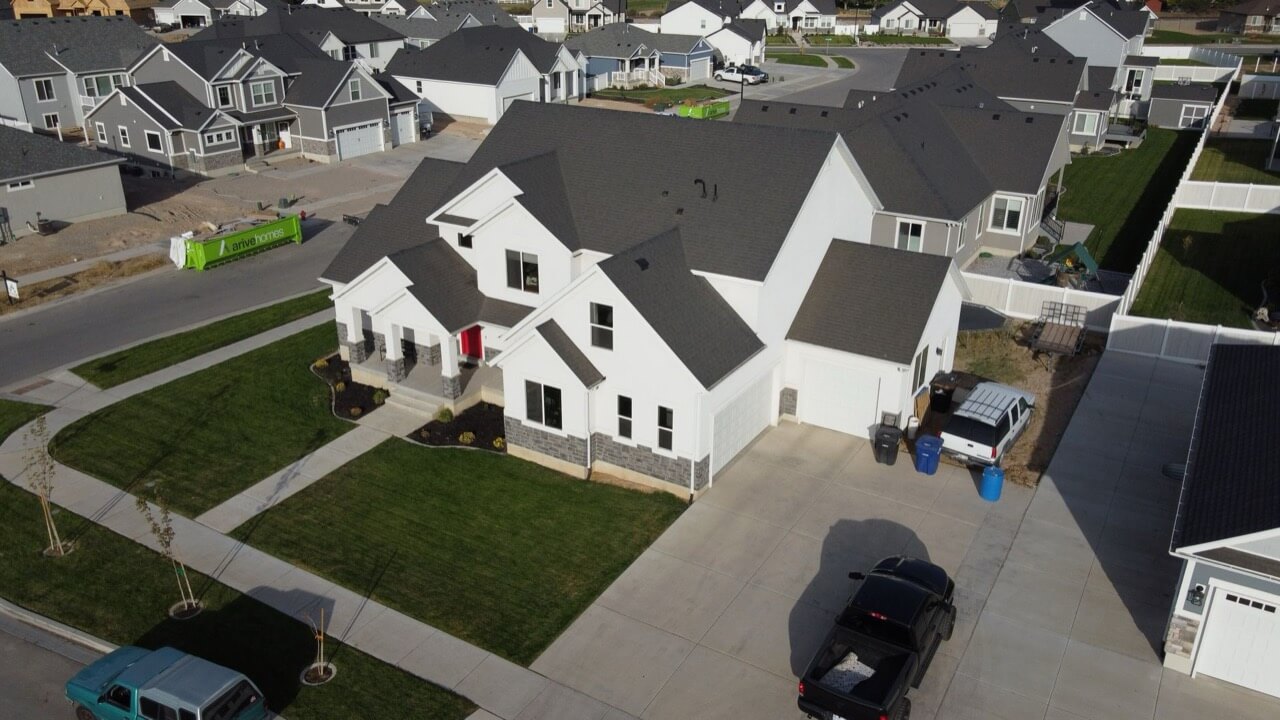
Planning an Irvine move-up purchase
A common mistake: Treating an Irvine move-up purchase as a standalone transaction. I plan the next-home financing around the current home’s sale, its expected proceeds, and the timing of both closings.
What a conventional loan means
A conventional mortgage is a home loan that is not insured or guaranteed by a federal agency; qualification and terms depend on the borrower, property, lender, and applicable program guidelines. In Irvine, it may be one part of a move-up purchase plan coordinated with a home sale.
Questions about your situation?
Talk it through with a loan officer who knows this market. No forms and no pressure.
Who this Irvine planning is for
My advice: Treat the purchase and sale as linked transactions. I work with Irvine buyers whose next-home plans depend on available sale proceeds, existing housing obligations, and timing. A preapproval is an initial assessment, not final approval; eligibility is subject to credit approval and program guidelines.
Step 1: Build preapproval around both transactions
What I’d do: Review the purchase and expected sale together before setting a price range or offer strategy. I assess income, assets, credit, current mortgage obligations, and a realistic estimate of sale proceeds. Strong credit matters, but it does not guarantee approval or a particular loan term.
- Confirm the existing mortgage balance and payoff process.
- Separate verified funds from estimated future sale proceeds.
- Discuss how the current housing obligation may be treated if the sale has not closed.
- Update the review when income, assets, offer terms, or transaction dates change.
I keep the review current when documents, sale dates, payoffs, or offer terms change. Preapproval and final terms are subject to verification, credit approval, and program guidelines.
Step 2: Set the sale timeline before choosing an offer strategy
A common mistake: Treating a hoped-for sale date as settled. I ask you and your agent to map the listing, offer, inspection, and closing milestones, then compare them with the purchase schedule. Zillow Research reported 48 days to pending in Irvine in October 2026; that market-wide measure is context, not a promise about your home’s timeline.
A sale contingency makes the purchase dependent on the current-home sale. Other structures can change timing or financing needs, each with its own conditions and tradeoffs. Your agent advises on offer terms; I review their financing implications. Bridge or temporary financing may address a timing gap in some circumstances, but I verify its qualification requirements, costs, repayment terms, and risks before treating it as available funds.
Step 3: Recheck the plan as the current home sells
My advice: Revisit the financing picture whenever the expected sale price, proceeds, or closing date changes. Zillow Research reported that Irvine home values were down 2.34% year over year in October 2026; that citywide change does not predict your property’s sale price. I use the supported value of the specific home, its payoff, and likely transaction costs—not a broad market figure—to reassess the purchase plan.
As the sale progresses, I compare the sale contract, verified payoff information, available assets, expected proceeds, and any period when housing obligations may overlap. Share material changes as they happen so I can identify required documents and whether another review is needed. Final qualification and terms depend on verified information and program guidelines.
Step 4: Coordinate both closings and confirm funds
What I’d do: Keep both timelines visible and confirm the figures that will actually be used before the purchase closes. I review final sale proceeds, the current mortgage payoff, purchase closing costs, and any temporary overlap using transaction-specific documents. Closing costs vary, so a generic estimate cannot replace the purchase’s actual estimates and final closing documents.
The sale contract price alone does not establish net proceeds after the payoff and transaction expenses. Confirm required updated statements, payoff information, and evidence of funds before the purchase closing. If either date shifts, I reassess the financing plan and moving logistics.
What I see in this market
An Irvine move-up purchase depends on more than the next home’s price: your current home’s sale proceeds, mortgage payoff, transaction costs, and the timing of both closings all shape the financing plan. I recommend treating the purchase and sale as linked transactions and revisiting the plan when the sale estimate, offer terms, or closing dates change. A citywide home value or listing trend can provide context, but it does not establish what your property may sell for or what proceeds you’ll have available. When documents or dates change, I keep you informed and available through direct communication so you can understand how the change affects the plan.
Irvine’s home value is not your sale estimate
A common mistake: Using a citywide value as the expected proceeds from a specific home. Zillow Research reported an Irvine home value of $1,466,014 in October 2026. I use that as market context, then base your plan on the specific property’s supported value, payoff, and transaction costs.
Check the property’s tax costs directly
My advice: Do not substitute an area median for a property-specific tax estimate. The Census ACS 5-Year, 2023 reported a median property tax of $6,096 for Orange County, California. I treat that as local context, then check the specific property’s tax information when reviewing the purchase costs. I keep you updated when a document, sale date, payoff, or offer term changes, and I check how that change affects the purchase plan before you act on an old assumption.
Test the planned loan amount against the applicable limit
What I’d do: Check the loan amount—not just the purchase price—against the applicable limit. FHFA’s 2026 conforming loan limit for a one-unit property in Orange County is $1,249,125. I review that alongside the available funds and transaction structure; the limit is not a purchase-price cap, and a loan above it may require a different loan category and review.
Ground the sale estimate in Irvine’s listing context
A common mistake: Building the purchase plan around an untested asking price. Zillow Research reported that 31.43% of Irvine listings had price cuts in October 2026. That figure does not predict your home’s sale price, but I use it as a reason to test the estimate against current listing and offer details rather than assume the asking price will become proceeds.
Frequently Asked by Buyers
What is the conventional loan limit in Irvine?
For 2026, the conventional limit for a one-unit home in Orange County, which includes Irvine, is $1,249,125 (FHFA Conforming Loan Limits, 2026). The limit applies to the mortgage amount, not the home’s price; a loan above it is generally jumbo financing.
How fast do I need to move on a home in Irvine with a conventional loan?
Plan for about 21 to 30 days to close after your offer is accepted; Irvine homes took 48 days to go pending (Zillow Research, October 2026). A fully documented, straightforward loan can close faster, while appraisal, underwriting, HOA review or contract contingencies can affect the schedule.
Do most homes in Irvine fall under the conventional loan limit?
Not by purchase price alone: the conventional limit applies to the loan amount, not the home’s price. Irvine’s home value was $1,466,014 (Zillow Research, October 2026), while Orange County’s 2026 one-unit limit is $1,249,125; the amount borrowed after your funds are applied determines whether the loan fits.
Can I buy a duplex in Irvine with a conventional loan and live in one unit?
Yes, conventional financing can be used to buy a duplex as your primary residence if you live in one of the units and meet the loan requirements. Eligibility is subject to credit approval and program guidelines. The 2026 Orange County conforming limit for a two-unit property is $1,599,375 (FHFA Conforming Loan Limits, 2026). A lender may count eligible rental income from the other unit when assessing your application.
Will sellers in Irvine pay toward my closing costs on a conventional loan?
Yes, an Irvine seller can contribute toward your conventional closing costs if you negotiate the credit in the purchase contract. Eligibility is subject to credit approval and program guidelines. Conventional rules cap seller contributions based on occupancy and loan-to-value, and credits cannot exceed eligible closing costs and prepaid items. Whether a seller agrees depends on the offer and negotiations.
Frequently Asked by Agents
Can my buyer avoid PMI on a conventional loan?
Yes, your buyer may avoid monthly PMI through an eligible conventional financing structure. Financing is subject to credit approval and program guidelines. If PMI is required, the buyer can request cancellation when the loan balance meets applicable requirements, subject to servicer rules.
Can a conventional buyer purchase a condo?
Yes, your buyer can purchase a condo with a conventional loan if the buyer qualifies and the condo project meets lender and agency requirements. Eligibility is subject to credit approval and program guidelines. Lenders review the association’s finances, reserves, insurance, property condition and other project details; a project that does not meet the applicable standards can limit financing options. HOA dues also count toward your buyer’s qualifying costs.
Can a conventional loan finance an investment property?
Yes, a conventional loan can finance a one- to four-unit residential investment property. Approval is subject to credit approval and program guidelines. Lenders typically require stronger credit, more reserves and more borrower funds than for a primary residence. Eligible rental income may help your buyer qualify when supported by the required lease or rental documentation.
What debt-to-income ratio is allowed on conventional loans?
Conventional loans have debt-to-income requirements that vary by lender and program. The ratio compares gross monthly income with monthly debts, including the proposed housing costs, taxes, insurance, HOA dues and other loans. I can calculate it for your buyer.
What credit score is needed for a conventional mortgage?
A credit score around 620 is a common minimum for a conventional mortgage, though lender requirements and loan eligibility can differ. Approval is subject to credit approval and program guidelines. Lenders also assess the full application, including credit history, income, debts, savings and the property.
The numbers behind this page
Every figure comes from public data on Irvine, CA and Orange County. Each one names its source and the month it describes, so you can check it yourself.
Other cities I cover
Last updated